


Tactical Optics Explained: Technology Behind Precision

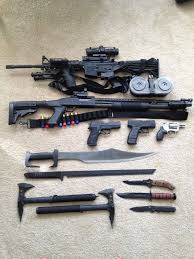
The rise of modern firearm accessories has transformed shooting sports, professional training, and recreational marksmanship. Among these innovations, tactical optics have become one of the most influential advancements in modern firearms culture. Far from being just accessories, modern optical systems represent decades of engineering, physics, and precision design.
Understanding how optics work provides insight not only into technology but also into how innovation improves safety, consistency, and user experience.
This article explores optics from an educational and technological perspective rather than a technical tutorial.
The Evolution of Optical Systems
Early shooters relied solely on iron sights, which required exceptional eyesight and years of practice. As technology progressed, optical systems emerged to solve fundamental limitations of human vision.
The earliest telescopic sights appeared in the 19th century, but it wasn’t until the late 20th century that tactical optics became reliable, durable, and widely accessible.
Modern optics now integrate:
- Advanced glass coatings
- Precision-machined housings
- Digital illumination systems
- Shock-resistant construction
- Weather-sealed components
This evolution reflects broader advancements in materials science and optical engineering.
Why Optics Matter Beyond Accuracy
Although improved accuracy is the most discussed benefit, modern optics provide several broader advantages:
- Enhanced visual clarity for aging eyes
- Reduced eye strain during long sessions
- More consistent shooting form
- Faster target acquisition
- Increased user confidence
The popularity of tactical optics has grown because they make shooting more accessible rather than more extreme.
The Science Behind Optics Technology
At the core of every optic system is physics. Lens curvature, light refraction, magnification ratios, and parallax correction are all governed by optical science.
High-quality manufacturers invest heavily in:
- Lens grinding precision
- Anti-reflective coatings
- Light transmission efficiency
- Distortion control
- Mechanical consistency
These factors explain why premium optics brands command strong reputations and pricing.
Optics and the Growth of Shooting Sports
Competitive shooting has grown globally, and optics have played a major role. Many disciplines now incorporate optical sights because they prioritize consistency and skill development rather than raw eyesight.
The expansion of shooting sports communities has created demand for:
- Educational content
- Equipment reviews
- Technical discussions
- Optics comparisons
- Responsible equipment ownership
As a result, tactical optics content attracts backlinks naturally from forums, hobbyist blogs, gear publications, and educational platforms.
Conclusion
Optics represent the intersection of technology, craftsmanship, and user experience. Understanding how tactical optics evolved and how they function deepens appreciation for innovation while supporting more responsible, informed ownership culture.


