


Why Smokeless Powder Became the Standard for Modern Ammunition

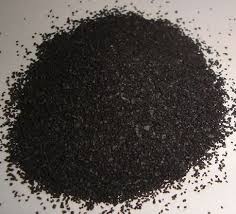
Why did smokeless powder become the standard for modern ammunition instead of older propellants?
This question keeps resurfacing because smokeless powder is so deeply embedded in modern firearms that many people never stop to ask why it dominates the ammunition industry.
What problems did early firearm propellants have?
Early firearm propellants, particularly black powder, suffered from several critical limitations:
- Heavy smoke that reduced visibility
- Rapid fouling of barrels and actions
- Limited efficiency
- Poor consistency between shots
As firearms evolved, these limitations became more noticeable, especially with the rise of repeating and magazine-fed weapons.
Why was a new propellant necessary for modern firearms?
Modern firearms required a propellant that could:
- Deliver higher energy in smaller volumes
- Burn consistently across different temperatures
- Function reliably in repeating mechanisms
- Reduce maintenance and downtime
Black powder could not meet these demands. A more advanced solution was required, leading to the development and adoption of smokeless powder.
How did smokeless powder change ammunition design?
Smokeless powder allowed ammunition designers to rethink cartridges entirely. With higher energy density and cleaner combustion, cartridges could be:
- Smaller and lighter
- Faster and more aerodynamic
- More consistent shot-to-shot
- Compatible with modern feeding systems
This directly led to the modern cartridge shapes and calibers still used today.
Why is smokeless powder more efficient than older propellants?
Efficiency comes from controlled energy release. Smokeless powder burns progressively rather than all at once, allowing energy to be delivered smoothly and predictably.
This efficiency means:
- Less material is required for performance
- Firearms experience less internal stress
- Ammunition can be standardized more easily
Efficiency, not raw power, is the true advantage of smokeless powder.
Why does smokeless powder work better in repeating firearms?
Repeating firearms rely on precise timing and pressure. Smokeless powder provides:
- Predictable pressure curves
- Cleaner operation of moving parts
- Reduced fouling in chambers and actions
These characteristics are essential for semi-automatic and automatic firearms, which would struggle to function reliably with older propellants.
How did smokeless powder influence military firearms?
Military adoption played a major role in smokeless powder’s dominance. It enabled:
- Clearer battlefield visibility
- Higher sustained rates of fire
- Reduced maintenance during combat
- Smaller ammunition loads for soldiers
Once militaries transitioned, civilian firearm technology followed the same path.
Why did civilian ammunition manufacturers follow the same path?
Civilian manufacturers benefited from the same advantages:
- Consistency across large production runs
- Compatibility with modern firearms
- Reduced complaints about fouling and smoke
- Improved accuracy and reliability
Smokeless powder made mass-produced ammunition practical and dependable.
Is smokeless powder safer than older propellants?
Smokeless powder is safer within the context of modern firearm design because it behaves predictably when used as intended. Its controlled combustion allows engineers to design firearms with known pressure limits and safety margins.
Safety comes from compatibility between firearm, cartridge, and propellant, which smokeless powder supports better than earlier propellants.
Why has smokeless powder remained dominant for so long?
Smokeless powder remains dominant because it strikes a balance between:
- Performance
- Reliability
- Cost-effectiveness
- Compatibility with existing firearms
Any replacement must outperform smokeless powder across all these dimensions, which has proven difficult.
Are there modern alternatives to smokeless powder?
Research continues into alternative propellants, including cleaner-burning and environmentally focused options. However, most modern developments are refinements, not replacements.
Smokeless powder’s established infrastructure and proven performance keep it at the center of modern ammunition.
Why do shooters rarely think about propellant choice today?
For most shooters, propellant choice is invisible because modern ammunition is standardized. Smokeless powder has become so reliable that it no longer draws attention—an indicator of technological maturity.
This invisibility is a sign of success, not stagnation.
How does smokeless powder affect firearm maintenance?
Cleaner combustion means:
- Less frequent cleaning
- More consistent performance over time
- Reduced wear caused by residue buildup
This contributes to longer firearm lifespan and better user experience.
What role does smokeless powder play in accuracy and consistency?
Smokeless powder supports accuracy by delivering:
- Consistent pressure
- Stable projectile velocity
- Minimal fouling between shots
Consistency is the foundation of accuracy, and smokeless powder provides it reliably.
Will smokeless powder remain relevant in the future?
Given its adaptability and continued refinement, smokeless powder is expected to remain the dominant propellant for modern ammunition for many years.
Future innovations are more likely to build upon smokeless powder technology rather than replace it entirely.
Conclusion
Smokeless powder became the standard for modern ammunition because it solved the fundamental limitations of earlier propellants. Its efficiency, consistency, cleanliness, and compatibility with modern firearms reshaped the entire ammunition industry.
As reflected in trending Quora discussions, shooters and enthusiasts continue to ask why smokeless powder dominates—and the answer lies in its unmatched balance of performance and reliability.
Smokeless powder is not just a component of ammunition; it is the backbone of modern firearm technology.


