


Hunting Laws by State in the USA: What Hunters Must Know

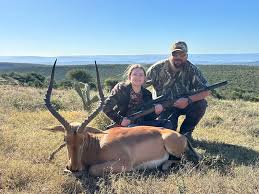
Understanding hunting laws by state USA is one of the most critical responsibilities of any hunter. In the United States, hunting is legal, regulated, and culturally significant—but it is governed by a complex framework of state-specific laws, federal oversight, and conservation policies.
Whether you are planning a local hunt or traveling across state lines, compliance with state hunting regulations determines:
- Where you can hunt
- What species may be hunted
- What licenses are required
- How firearms, ammunition, accessories, and reloading components must be handled legally
This guide provides a clear, educational overview of how hunting laws differ across the U.S. and how hunters can plan responsibly.
Why Hunting Laws Vary by State
The U.S. Constitution grants states primary authority over wildlife management. As a result, hunting laws by state USA differ because of:
- Wildlife populations
- Ecosystem conditions
- Conservation priorities
- Cultural and historical practices
State wildlife agencies set rules to ensure:
- Sustainable hunting
- Public safety
- Ethical treatment of wildlife
- Responsible use of firearms and ammunition
Understanding these differences is essential for legal hunting.
Federal vs State Hunting Authority
Federal Oversight
Federal agencies regulate:
- Migratory birds
- Endangered species
- National parks and protected lands
- Interstate transport standards
Federal law may also affect:
- Firearms transport across state lines
- Certain ammunition classifications
- Environmental protection rules
State Authority
States control:
- Hunting seasons
- Licensing systems
- Approved hunting methods
- State-specific firearm and ammunition rules
This dual structure makes hunting compliance planning essential.
Hunting License Requirements Across States
Resident vs Non-Resident Licenses
Most states issue:
- Resident licenses (lower cost)
- Non-resident licenses (higher cost, limited availability)
License requirements vary based on:
- Species hunted
- Hunting method
- Duration of the hunt
Licensing is a cornerstone of legal hunting requirements USA.
Tags, Permits, and Special Draws
Some species require:
- Special tags
- Lottery or draw systems
- Limited seasonal permits
Hunters must verify:
- Application deadlines
- Tag availability
- Reporting requirements
Failure to comply can result in fines or license suspension.
Firearms Laws Related to Hunting
State Firearms Regulations
States regulate:
- Approved firearm categories for hunting
- Transportation requirements
- Storage standards during travel
These firearms hunting laws are designed to balance public safety with lawful outdoor sports.
Transporting Firearms Between States
Hunters traveling must consider:
- Federal interstate transport rules
- State-specific firearm transport laws
- Safe and legal storage during transit
Understanding these legal frameworks is essential for compliant hunting trips.
Ammunition Regulations for Hunters
State Ammunition Standards
States may regulate:
- Ammunition types allowed for hunting
- Environmental restrictions
- Storage and transport guidelines
Ammunition regulations for hunters exist to ensure humane harvesting and environmental responsibility.
Reloading Smokeless Powders and Legal Planning
Hunters who reload ammunition must be aware that:
- Laws governing reloading smokeless powders vary
- Storage and transport regulations apply
- Some states have stricter safety standards
Compliance ensures safety and legality while supporting responsible hunting traditions.
Hunting Gear and Accessories Legal Standards
States may regulate:
- Optics and accessories
- Electronic aids
- Gear used for specific species
Understanding hunting gear legal standards helps hunters avoid accidental violations.
Public vs Private Land Hunting Laws
Public Land Regulations
Public land hunting may require:
- Additional permits
- Area-specific rules
- Seasonal access limitations
Private Land Permissions
Private land hunting typically requires:
- Written permission
- Proof of access rights
- Compliance with state trespass laws
These distinctions are a major component of hunting laws by state USA.
Ethical Hunting and Legal Responsibility
Ethical hunting is embedded in U.S. law:
- Fair chase principles
- Respect for wildlife
- Conservation compliance
Legal hunting protects:
- Ecosystems
- Future hunting opportunities
- Public trust in outdoor sports
Ethics and legality are inseparable.
Common Legal Mistakes Hunters Make
- Assuming laws are the same across states
- Failing to update licenses or permits
- Misunderstanding firearm or ammunition transport rules
- Ignoring reloading smokeless powders regulations
- Overlooking local land-use restrictions
Avoiding these mistakes requires education and preparation.
How to Plan a Multi-State Hunting Trip Legally
A compliant plan includes:
- Researching hunting laws by state USA well in advance
- Verifying licenses, tags, and permits
- Understanding firearms and ammunition laws
- Confirming legal use of accessories and equipment
Legal planning ensures stress-free and ethical hunting experiences.
State Wildlife Agencies as Primary Resources
Every hunter should rely on:
- Official state wildlife agency publications
- Seasonal regulation updates
- Legal notices and advisories
These sources provide authoritative guidance on state hunting regulations.
Summary
Understanding hunting laws by state USA allows hunters to:
- Hunt legally and ethically
- Comply with firearms and ammunition regulations
- Plan multi-state trips responsibly
- Protect wildlife and conservation efforts
Legal knowledge is as important as field skill.
Conclusion
Hunting in the United States is a lawful, regulated, and respected outdoor sport. However, compliance with hunting laws by state USA is non-negotiable.
By understanding licensing systems, firearms laws, ammunition regulations, and rules governing reloading smokeless powders and accessories, hunters demonstrate responsibility, professionalism, and respect for wildlife.
Legal awareness ensures that hunting remains sustainable, ethical, and accessible for generations to come.
Click here to check out quality hunting gears and accessories


