


Hunting Apparel, Gear & Ammo Planning for All U.S. Seasons

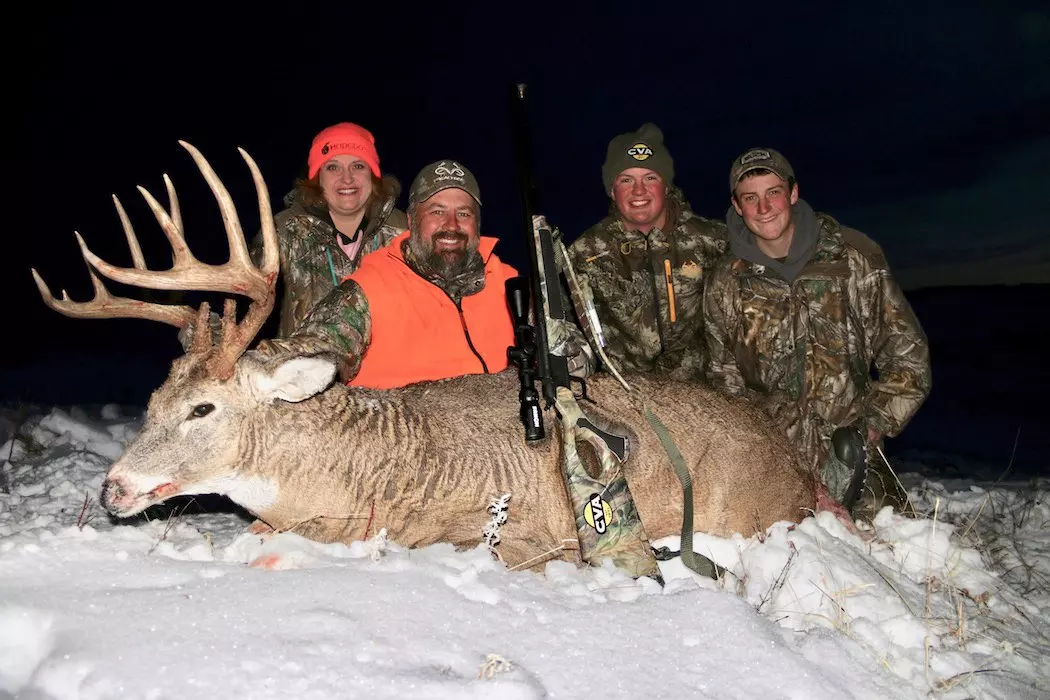
Successful hunters in the United States understand that performance in the field starts with preparation, not just firearms or ammunition. Apparel, accessories, and environmental planning play a decisive role in comfort, safety, endurance, and ethical hunting outcomes.
This guide breaks down how experienced outdoor sports enthusiasts plan:
- hunting apparel by season and region
- gear systems that support long hunts
- safe organization of firearms accessories and ammunition
- considerations for storing ammo, brass, and reloading smokeless powders during trips
This is not a product recommendation guide. It is a planning and education resource designed for hunters, big game enthusiasts, and outdoor sports participants.
Why Apparel and Gear Matter as Much as Firearms
Many new hunters focus heavily on firearms and ammunition while underestimating apparel and support gear. In reality:
- Poor clothing choices cause fatigue and early exit
- Improper storage can damage ammunition and accessories
- Weather exposure reduces accuracy, focus, and safety
Experienced hunters plan apparel and gear as an integrated system, alongside firearms accessories and ammunition management.
The Core Hunting Clothing System (Layered Approach)
Across all U.S. regions, hunters rely on a three-layer clothing strategy:
Base Layer – Moisture & Temperature Control
The base layer:
- regulates body temperature
- manages sweat
- prevents chafing during long movement
Poor base layers lead to overheating or chilling, both of which affect decision-making when handling firearms or ammunition in the field.
Mid Layer – Insulation & Energy Retention
The mid layer:
- traps body heat
- adapts to activity level
- supports long stationary periods common in big game hunting
This layer is especially critical when hunters are glassing terrain, waiting in blinds, or navigating early morning hunts.
Outer Layer – Protection & Durability
The outer layer protects against:
- wind
- rain
- snow
- abrasion from brush and terrain
Durable outer layers also reduce snagging on gear such as:
- ammunition carriers
- firearm slings
- magazine pouches
- rangefinding accessories
Seasonal Hunting Apparel Planning (USA Focus)
Cold Weather Hunting (Late Fall & Winter)
Cold-weather hunting demands:
- thermal insulation
- wind resistance
- moisture management
Hunters often plan:
- insulated jackets and pants
- gloves compatible with firearm controls
- footwear that supports long movement without sweat buildup
Cold temperatures also affect ammunition handling, making proper storage and organization essential.
Hot Weather & Early Season Hunting
Warm climates introduce different challenges:
- heat exhaustion
- dehydration
- sweat affecting grip and optics
Hunters focus on:
- breathable fabrics
- sun protection
- lightweight gear organization
In hot environments, ammunition and reloading components must be protected from excessive heat, which can degrade performance over time.
Wet & Humid Environments
In coastal, forested, or swamp regions:
- moisture control becomes critical
- corrosion risks increase
Hunters plan:
- waterproof apparel
- sealed storage for ammunition and brass
- rust prevention for firearms accessories
This preparation extends the lifespan of gear and improves reliability.
Gear Organization for Firearms & Ammunition
Why Organization Matters
Disorganized gear causes:
- lost time
- safety risks
- damaged ammunition
A structured approach allows hunters to:
- access equipment efficiently
- protect firearms accessories
- keep ammunition secure and compliant
Ammunition Storage in the Field
Hunters plan ammunition storage based on:
- weather exposure
- duration of the hunt
- legal transport requirements
Best practices include:
- moisture-resistant containers
- separation of different ammunition types
- clear labeling for easy identification
This applies equally to factory ammunition and reloads prepared in advance.
Handling Reloading Smokeless Powders on Trips
While actual reloading is done at home or in controlled environments, hunters transporting reloading smokeless powders and brass plan carefully:
- powders stored in original containers
- separation from ignition sources
- secure placement away from heat
These practices preserve stability and safety during travel.
Footwear & Load-Bearing Equipment
Footwear Selection by Terrain
Footwear impacts:
- endurance
- joint health
- movement efficiency
Hunters consider:
- mountainous terrain
- flat plains
- wet or rocky ground
Good footwear reduces fatigue, allowing better focus when managing firearms gear and ammunition.
Packs, Vests & Load Distribution
Load-bearing systems support:
- ammunition carriage
- hydration
- optics
- safety equipment
Balanced weight distribution reduces strain and improves mobility during long outdoor sports excursions.
Firearms Accessories That Integrate with Apparel
Clothing and gear must accommodate:
- slings
- optics
- magazine carriers
- holsters (where legal)
Poor integration leads to:
- snagging
- noise
- discomfort
Hunters plan apparel with firearms accessories compatibility in mind.
Safety, Visibility & Legal Considerations
Visibility Requirements
In many U.S. states, hunters must wear:
- blaze orange or visible markers
This affects apparel planning without compromising gear access or ammunition storage.
Compliance & Ethical Preparation
Ethical hunters ensure:
- legal transport of firearms and ammunition
- proper storage of components
- respect for land and wildlife regulations
Preparation reflects responsibility as much as skill.
Q: Does clothing affect hunting performance?
A: Absolutely. Poor apparel causes fatigue, overheating, or cold stress, reducing focus when handling firearms, ammunition, and accessories.
Q: How should hunters store ammunition during multi-day trips?
A: Use moisture-resistant containers, keep ammo separated by type, and avoid heat exposure. This preserves reliability and safety.
Q: Do environmental conditions affect ammunition?
A: Yes. Heat, moisture, and cold can influence performance. Hunters plan storage accordingly, especially when carrying ammunition or reloading components.
Q: Is apparel planning important for big game hunting?
A: Yes. Big game hunts involve long distances, elevation changes, and extended wait times. Apparel directly impacts endurance and decision-making.
Long-Term Gear Planning for Serious Hunters
Experienced hunters treat apparel and gear as long-term investments. They rotate:
- seasonal clothing
- accessory configurations
- storage systems for ammunition and brass
This systematic approach supports consistent performance year after year.
Conclusion
Effective hunting preparation goes far beyond firearms alone. Hunting apparel and gear planning integrates clothing systems, accessories, ammunition organization, and environmental awareness into one cohesive strategy.
Hunters who plan properly:
- move longer
- stay safer
- protect their equipment
- enhance ethical field practices
For outdoor sports enthusiasts, big game hunters, and firearms gear users, preparation is the true advantage.


