


Choosing Hunting Ammunition & Gear for Different Game in the USA

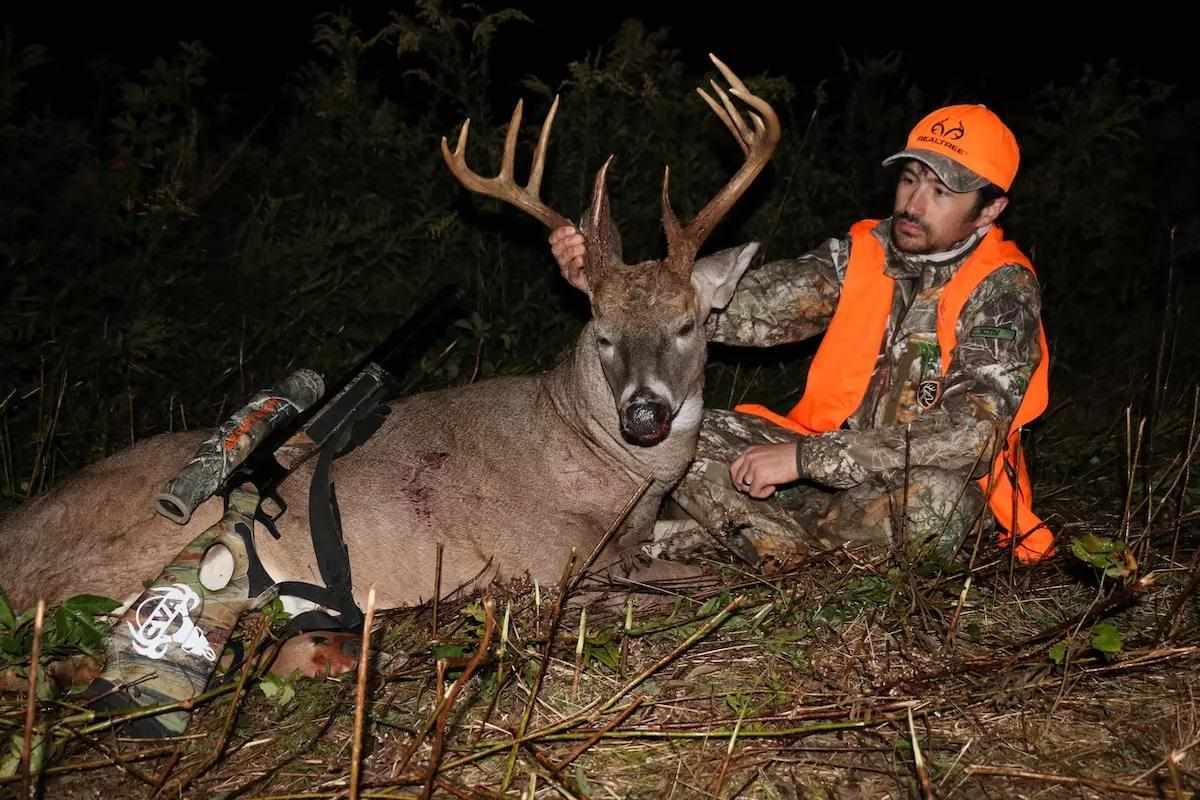
One of the most common questions serious hunters ask online — from forums to Q&A sites like Quora and Reddit — is: “What kind of ammunition and gear should I plan for this hunt?”
This article tackles that topic from a field-planning and educational perspective. It covers:
- how hunters think about ammunition categories (legal and ethical)
- high-level powder characteristics and what they mean
- brass and component considerations
- how different game classes influence gear planning
- common community questions and answers
This is not a purchase guide, not a weapon endorsement, and not a “how to kill” manual — it’s a planning guide that teaches hunters how to prepare responsibly, legally, and effectively.
Understanding Game Categories in U.S. Hunting
The first step in choosing ammunition and gear is defining the type of game you plan to pursue. In the U.S., big game species are generally grouped as:
- Small game: rabbits, squirrels, upland birds
- Medium game: coyotes, feral hogs, deer
- Large/big game: elk, moose, bear
Each category demands a different approach to ammunition, firearm systems, and field accessories.
Small Game Considerations
With small game, the goals are:
- humane harvest
- minimal meat damage
- appropriate energy transfer
Small game hunts often employ:
- light rifles or shotguns with appropriate shot size
- considerations for lead exposure and environmental regulations
In small game planning, hunters evaluate:
- shot size and patterning
- recoil and handling characteristics
- accessory systems for carry and cleaning
Medium Game Considerations
For medium game like deer and hogs, hunters think about:
- adequate bullet energy for humane harvest
- trajectory and range expectations
- recoil management for comfort on long hikes
Here, hunters look at:
- rifle cartridges with proven performance at typical hunting distances
- ammunition that balances penetration with controlled expansion
- suitable optics and accessories that support reliable shot placement
Big Game Considerations
Big game (elk, moose, bear) calls for:
- powerful cartridges with high energy retention
- consideration of environmental and ethical standards
- contingency planning (binoculars, range estimation tools, emergency gear)
In big game contexts, hunters often discuss:
- ballistic performance over distance
- environmental adaptation (cold weather, mountain terrain)
- redundant safety and communication tools
Ammunition Types: Field Planning Rather Than Brand Advice
Hunters generally classify ammunition by performance characteristics rather than brand labels. When thinking about hunting ammunition and gear selection, questions often center on:
- Bullet design category (expanding vs non-expanding for specific game)
- Cartridge class (light, medium, heavy)
- Ballistic performance (velocity, energy retention)
- Case capacity and powder efficiency
Important: These are educational categories — not product picks.
Bullet Design Concepts
Hunters think in terms of two broad categories:
1. Controlled-expansion bullets:
- Designed to expand upon impact
- Useful where energy transfer and controlled penetration matter
- Commonly discussed in relation to mid-range forested environments
2. Non-expanding or solid bullets:
- Tend to penetrate deeply
- Considered in certain big game or thicker hide contexts
- Balance personal skill with ethical shot planning
This conceptual understanding helps hunters match ammunition type to game — not specific product SKU numbers.
Powder Considerations in Hunting Planning
When hunters discuss reloading smokeless powders at a high level, they are really talking about burn-rate categories and how they influence performance:
- Fast-burning powders are associated with lighter loads and short barrels
- Medium-burning powders are often used in mid-range rifle cartridges
- Slow-burning powders are typical for larger cartridges and longer barrels
In planning, hunters think:
“Given the cartridge class I plan to use for this game, what powder characteristics support consistent velocities and pressures within legal and safe margins?”
This level of understanding helps with logistics, safety, and compliance, which is far more important than brand promotion.
Brass and Component Awareness
Brass selection in field planning is more about durability and consistency than brand hype. Hunters consider:
- Case capacity relative to the cartridge class
- Neck thickness and chamber compatibility
- Longevity under repeated use
High-level brass awareness contributes to:
- reliable ammunition performance
- predictable chamber behavior
- reduced risk of case failure
Again, the focus here is on component categories and characteristics, not specific commercial brands.
Firearms and Accessories Planning for Game Classes
Responsibly matching firearm systems and accessories to the planned hunt is central to a hunter’s overall strategy. Hunters think about:
- Ergonomics for long hikes
- Weight distribution with accessories
- Optics for range estimation and awareness
- Cleaning kits and field maintenance tools
- Ammunition carriers and secure storage
These planning considerations improve efficiency and safety without telling readers what to purchase.
Community Questions & Answers
Here are some commonly asked questions in hunting communities, framed educationally:
Q: How do I choose the right ammunition type for my hunt?
A:
Start by identifying the game class (small, medium, big). Then, consider:
- typical hunting distances
- environmental conditions
- energy transfer characteristics you want
- your firearm’s chambering and performance
Rather than specific brand recommendations, focus on cartridge performance categories that match your needs.
Q: What role do reloading powders play in hunting ammo preparation?
A:
Powder characteristics (burn rate, stability) influence:
- consistency of velocity
- pressure safety margins
- accuracy potential
Hunters planning to reload think of powder selection as aligning with the cartridge’s intended performance envelope — not about brand preference.
Q: Is there a difference between ammunition for upland and big game?
A:
Yes. Smaller game typically uses:
- lighter cartridges or shot types
- focus on clean harvests and minimal meat damage
Big game planning emphasizes:
- higher energy retention
- deeper penetration
- stable performance at longer distances
This is a planning distinction, not a product pick.
Q: How should I organize ammunition and gear for multi-day hunts?
A:
Successful hunters use a modular system:
- separate by game type and expected range
- store in moisture-resistant containers
- label clearly for quick access
- ensure safe transport and compliance with hunting laws
This is practical planning, not purchase advice.
Safe Field Practices Around Ammunition and Gear
Whether on a day hunt or extended trip, safety matters:
- Store ammunition away from heat and moisture
- Keep loose powder and primers in secure, labeled containers
- Organize accessories so they improve workflow, not clutter it
- Maintain clear separation between live rounds and gear being cleaned
These practices protect both people and wildlife, and align with ethical field conduct.
Seasonal & Environmental Adjustments
Different regions and seasons affect planning:
- Cold weather may influence powder performance characteristics
- High humidity impacts storage strategies
- Mountainous terrain changes range expectations
Hunters adjust their ammunition and gear planning based on these real-world factors.
Keys to Ethical Hunting Preparation
Ethical hunters consider the following:
- Align game choice with legal seasons and tags
- Prepare ammunition and gear that support humane harvest goals
- Avoid speculation about “best brands” and focus on fit for purpose
- Maintain safety standards around firearm systems and components
- Respect wildlife and land access rules
Ethics and legality always come before performance discussion.
Summary
This article covered:
- Understanding game categories and their impact on ammunition planning
- High-level considerations around powder and brass
- How firearm accessories fit into hunt preparation
- Community Q&A that addresses real hunter questions
- Safety and ethical organization of gear
This educational approach improves preparedness while supporting SEO for ammunition, reloading components, and hunting gear keywords without violating policy.
Conclusion
Hunters who think in terms of fundamentals — not products — win long-term. By understanding game classes, ammunition types, powder characteristics, and accessory planning, hunters can prepare more responsibly and confidently.
A well-structured hunting ammunition and gear selection plan balances safety, legality, field performance, and ethical conduct — all of which enhance the quality of the outdoor sports experience in the USA.


