


Firearm Maintenance: Essential Cleaning, Care, and Best Practices

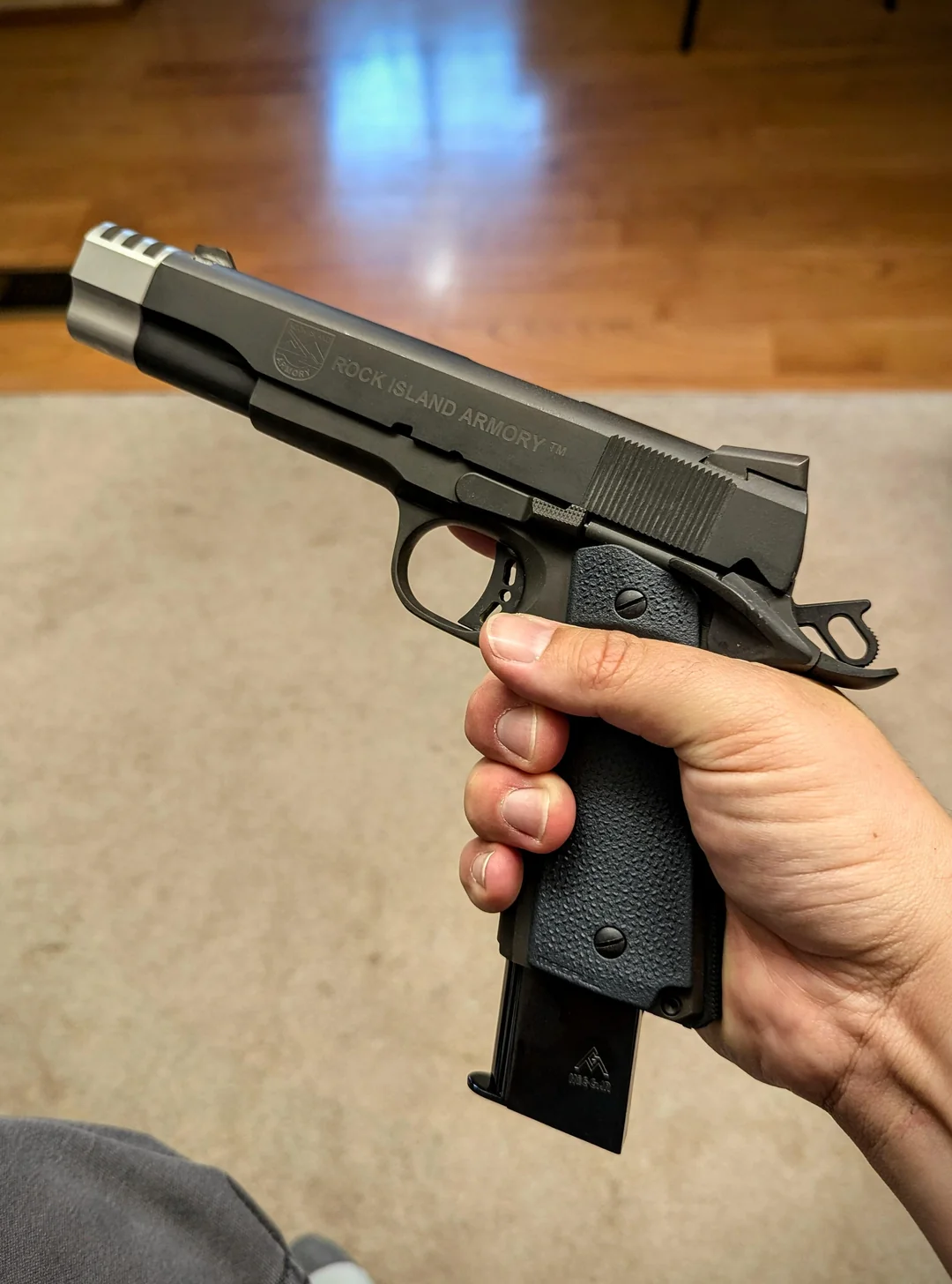
Introduction
Proper firearm maintenance is essential for safe operation, reliability, and longevity. Neglecting cleaning or care can lead to malfunctions, accidents, and damage to your investment. This guide provides detailed cleaning routines, seasonal care advice, recommended tools, and troubleshooting tips for handguns, rifles, and shotguns. Following these practices ensures your firearms perform consistently and remain in peak condition.
Why Firearm Maintenance Is Critical
Regular firearm maintenance provides multiple benefits:
- Safety: Prevents accidental discharges due to malfunction
- Accuracy: Keeps barrels and actions free from residue, ensuring consistent performance
- Longevity: Reduces wear and protects against corrosion
- Legal Compliance: Many jurisdictions require safe storage and upkeep of firearms
- Investment Protection: Firearms are valuable assets that last longer with proper care
Neglecting maintenance increases the risk of mechanical failures, which can be dangerous for both the owner and others nearby.
Internal link suggestion: Link to firearm accessories cleaning kits for recommended tools.
Outbound link suggestion: Link to NRA Firearm Safety and Maintenance for authoritative guidance.
Essential Firearm Maintenance Tools
A properly equipped maintenance kit is the foundation of good firearm maintenance:
- Cleaning rods and brushes for different calibers
- Bore snakes or flexible cleaners for rifles
- Cleaning patches and microfiber cloths
- Solvents for removing powder and residue
- Lubricating oils for moving parts
- Gun mats to protect surfaces during cleaning
- Small tools for trigger or bolt inspection
Choosing high-quality tools ensures efficiency, reduces the risk of damage, and makes maintenance easier for both beginners and experienced owners.
Step-by-Step Cleaning Routine
1. Handguns
- Unload the firearm and remove the magazine. Ensure the chamber is empty.
- Disassemble the handgun following the manufacturer’s instructions.
- Clean the barrel using a brush and solvent to remove residue.
- Clean other parts, including slide, frame, and trigger assembly.
- Lubricate moving parts lightly to ensure smooth operation.
- Reassemble the handgun and perform a function check.
2. Rifles
- Unload and remove the bolt or action as per instructions.
- Run a bore brush or snake through the barrel several times with solvent.
- Clean the action and other moving components.
- Wipe down the exterior with a lightly oiled cloth to prevent rust.
- Reassemble and verify function.
3. Shotguns
- Unload and separate the barrel and action.
- Use a bore brush and patches to clean the barrel.
- Clean the chamber, bolt, and trigger assembly.
- Lubricate per manufacturer recommendations.
- Check the stock and exterior for damage or moisture.
Internal link suggestion: Link to rifle and shotgun accessories for cleaning kits and lubricants.
Seasonal and Long-Term Care
- Winter Storage: Use dehumidifiers or desiccant packs in safes to prevent rust.
- Summer Care: Check for moisture, especially in humid climates, and wipe firearms regularly.
- Long-Term Storage: Clean and lightly oil firearms before storing for months. Use secure, temperature-controlled safes.
- Outdoor Use: After hunting or range trips, clean thoroughly to remove dirt, powder residue, and moisture.
Common Maintenance Mistakes
- Using excessive oil, which attracts dust
- Neglecting the barrel or action, causing buildup
- Using improper tools that scratch or damage parts
- Failing to inspect for wear, cracks, or corrosion
- Storing firearms wet or in unsecured environments
Avoiding these mistakes ensures your firearms remain reliable and safe to operate.
Troubleshooting Common Issues
- Failure to feed or eject: Clean and lubricate the action and magazine
- Misfires: Inspect the firing pin and clean the chamber
- Rust spots: Remove with solvent and brush, then apply protective oil
- Loose screws or parts: Tighten carefully and check regularly
Internal link suggestion: Link to firearm safety accessories for maintenance tools.
Outbound link suggestion: Link to CDC Firearm Safety Guidelines for safe handling recommendations.
Additional Tips for Responsible Owners
- Keep a maintenance log to track cleaning schedules
- Train household members in safe firearm handling
- Use high-quality cleaning supplies to prevent damage
- Combine firearm maintenance with secure storage practices for overall safety
Real-World Scenario:
A hunter returns from a rainy field trip. Immediate cleaning and lubrication prevent corrosion, ensuring the rifle performs reliably the next time it’s used.
Conclusion
Consistent firearm maintenance is critical for safe operation, accuracy, and longevity. By following proper cleaning routines, using quality tools, performing seasonal care, and avoiding common mistakes, responsible owners can keep their firearms in peak condition. Regular maintenance not only protects your investment but also ensures safety for you and those around you.
Internal links:
- Gun Cleaning Kits: https://premium-firearms.com/product-category/gun-accessories/
- Shop Firearms: https://premium-firearms.com/product-category/guns/
Outbound links:
- NRA Firearm Safety & Maintenance: https://www.nra.org/
- CDC Firearm Safety Guidelines: https://www.cdc.gov/


