


What Is the Difference Between Black Powder and Smokeless Powder? The Complete Guide for Shooters, Collectors & Reloaders

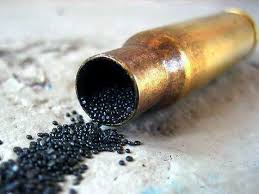
Introduction: Why This Matters to Shooters and Collectors
If you’ve ever wondered “What really separates black powder from smokeless powder?”, you’re not alone. This question comes up frequently among firearm enthusiasts, reloading hobbyists, and historical shooters alike — and for good reason. The shift from black powder to smokeless powder was one of the most significant changes in small arms history, reshaping ammunition design and firearm performance.
In this article we’ll answer that question in detail — with clear sections, facts, and Quora‑style clarity — so you understand the differences in chemistry, performance, maintenance needs, safety, and use cases.
1. What Is Black Powder?
Black powder is the classic propellant used for centuries in firearms, cannons, and early artillery. It’s a physical mixture of three ingredients:
- Potassium nitrate (saltpeter) – oxidizer
- Charcoal – fuel
- Sulfur – assists ignition and regulates burn rate
These three components burn rapidly when ignited and produce a large volume of gas and solid residue.
Key Characteristics of Black Powder
- Low energy density — releases less total energy than modern propellants.
- Burns fast but inefficiently — much of the reaction occurs quickly, producing heavy smoke.
- Creates thick, corrosive residue — solid particles can trap moisture and lead to rust.
Because of these traits, black powder was historically ubiquitous but limited in speed, range, and maintenance ease.
2. What Is Smokeless Powder?
Smokeless powder is a modern propellant developed in the late 19th century and first widely used in military arms by the French with Poudre B in 1884.
Unlike black powder, smokeless powder is chemically engineered, often consisting of:
- Nitrocellulose (single‑base)
- Nitrocellulose + nitroglycerin (double‑base)
- Nitrocellulose + nitroglycerin + nitroguanidine (triple‑base)
These formulations were designed to produce more energy with less smoke and cleaner combustion.
Why It’s Called “Smokeless”
Despite the name, it isn’t truly smoke‑free — but its combustion products are primarily gaseous, not solid residue — leading to far less visible smoke compared with black powder.
3. Chemistry and Burn Behavior: Black Powder vs Smokeless
Understanding the chemistry of each powder helps explain why they behave so differently in firearms.
Black Powder Combustion
When black powder burns, a large portion of the reaction becomes solid byproducts (potassium carbonate, potassium sulfate, and similar compounds), which create heavy smoke and fouling.
Smokeless Powder Combustion
Smokeless powder is engineered so that combustion produces mostly gaseous byproducts — primarily nitrogen and carbon dioxide — resulting in much cleaner operation.
This difference in combustion means:
- Black powder makes cleaning and maintenance difficult due to heavy residue.
- Smokeless powder leaves minimal solids and allows longer shooting sessions with less maintenance.
4. Pressure Profiles and Performance
One of the most dramatic differences is how each powder generates pressure inside a firearm chamber.
Black Powder Pressure
Black powder typically produces much lower chamber pressures — historically often in the range of ~10,000–20,000 psi — and the burn completes before the projectile travels far down the barrel.
Smokeless Powder Pressure
Smokeless powder can generate extremely high pressures — often 50,000–65,000 psi or more — and does so in a controlled, progressive burn that increases gas production as the bullet moves down the barrel.
This results in:
- Higher muzzle velocity
- Flatter trajectories
- More consistent internal ballistics
All of these contribute to better accuracy, range, and performance in modern firearms.
5. Smoke, Fouling, and Maintenance
Black Powder Issues
- Heavy smoke that obscures vision
- Solid residue that traps moisture and causes corrosion
- Frequent cleaning required to maintain performance
These factors made black powder weapons labor‑intensive and less suitable for rapid firing or military use.
Smokeless Powder Advantages
- Minimal smoke — improves visibility and tactical advantage
- Cleaner burning — reduces corrosive byproducts
- Less frequent cleaning — easier long‑term maintenance
These properties support higher performance and more user‑friendly usage.
6. Historical Impact & Firearm Evolution
The invention of smokeless powder marked a turning point in firearms history. Within a decade of its invention, armies around the world began adopting it for rifles and artillery, significantly improving range, rate of fire, and battlefield visibility.
One of the earliest widespread implementations was in the Lebel Model 1886 rifle, which used Poudre B and helped usher in the modern ammunition era.
7. Safety and Compatibility Considerations
A key safety rule for shooters and reloaders is:
You should never use smokeless powder in a firearm designed for black powder.
Smokeless propellants create much higher pressures, and black powder guns — especially antique or muzzleloader designs — are not built to handle those forces. Doing so can lead to catastrophic failure and serious injury.
Modern black powder substitutes exist that mimic black powder behavior with some improvements, but they are not the same as smokeless powder and should only be used where appropriate.
8. Practical Implications for Shooters and Reloaders
Here’s a quick look at how the differences affect real‑world use:
Reloading and Tuning
- Black powder is traditionally measured by volume, not weight, due to its physical mixture.
- Smokeless powder is measured by weight and allows very precise tuning of loads for velocity and pressure.
Accuracy and Range
Smokeless powder’s controlled burn and higher energy translate to:
- Better shot‑to‑shot consistency
- Higher velocities
- Greater effective range
This makes it ideal for modern cartridges used in hunting, competition, and defensive applications.
Conclusion: Black Powder vs Smokeless Powder
The transition from black powder to smokeless powder was a pivotal moment in firearms development. Each propellant has its place:
- Black powder remains relevant for historical firearms, muzzleloaders, and enthusiasts who appreciate traditional shooting styles.
- Smokeless powder is the backbone of modern ammunition — cleaner, more powerful, and better suited for today’s firearms.
Understanding these differences helps you make safe, informed decisions whether you’re collecting, reloading, hunting, or competing.


