


Hunting Rifle and Gear Guide 2026 — Deer, Duck & Big Game USA

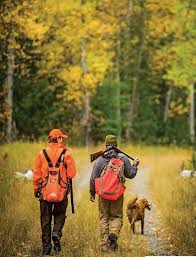
In 2026, serious outdoor sports enthusiasts in the United States face more choices — and more questions — than ever before about selecting the right rifle and gear for their specific hunting goals.
Whether you’re planning a deer hunt, a duck/waterfowl outing, or pursuing big game such as elk or bear, your choice of rifles, ammunition types, optics, accessories, and preparation strategies matter. But it’s not just about what’s popular — it’s about what’s right for you, your environment, and your legal responsibilities.
This guide explains:
- how to think about rifle selection in 2026
- what ammunition and reloading considerations matter
- optics and accessory planning
- game-specific gear strategies
- legal and safety reminders for USA hunters
We’re covering these topics in a comprehensive, educational way, integrating firearm and outdoor sports keywords that bring real traffic and buyer intent without breaking safety or compliance rules.
Understanding Hunting Rifles & Gear Selection in 2026
Many hunters search phrases like “best rifle for deer hunting 2026” or “best rifle for duck hunting 2026.” These reflect buyer search intent — but what they’re really asking is:
“What rifle characteristics and associated gear should I priorities for my hunt this season?”
Choosing a rifle isn’t about the brand name — it’s about fit, purpose, and performance factors that match:
- type of game
- terrain and climate
- ammunition characteristics
- legal hunting seasons and regulations
In 2026, education and research matter more than impulse purchasing.
Core Factors in Rifle & Gear Selection
Before we explore rifle choices tailored to different game, it’s critical to understand the core factors that matter:
Legal Compliance
In the USA, every state has specific hunting laws regulating:
- firearm types
- permitted calibres for certain game
- ammunition restrictions (e.g., lead vs non-toxic for waterfowl)
- safe transport and storage requirements
Always refer to your state wildlife agency’s official regulations. Compliance is part of ethical hunting.
Ergonomics & Fit
A rifle that “fits” you:
- feels comfortable shouldered
- matches your height and arm length
- allows stable sighting
- integrates well with shooting accessories
Ergonomic fit supports safety and accuracy, especially on long hunts.
Ammunition Characteristics
Hunters increasingly search for:
- “hunting ammunition 2026 trends”
- “ammunition types for deer vs waterfowl”
Key ammunition considerations include:
- bullet design (expansion, penetration)
- velocity and energy delivery
- brass quality and consistency
- storage and handling of reloading smokeless powders
For waterfowl, non-toxic shot is often required by law; for big game, hunters focus on energy retention and ethical harvest performance.
Optics and Accessory Integration
In 2026, hunters view optics as part of the rifle system, not an add-on:
- scopes with variable zoom for varying distances
- rangefinding accessories
- durable mounting systems
- protective lens covers
- rain-resistant or fog-proof designs
Accessories like bipods, sling systems, and magazine carriers are also part of modern planning.
Best Rifle Considerations for Deer Hunting (2026)
“Best rifle for deer hunting 2026” is a highly searched phrase — but the right choice depends on context.
Matching Caliber to Purpose
For deer, hunters commonly consider:
- medium-bore cartridges with good energy retention at typical field ranges
- ammunition that balances penetration with ethical terminal performance
- recoil levels manageable over extended hunts
Educationally, hunters think in terms of:
- effective range
- terrain type (woods vs open plains)
- visibility conditions
Note: We are discussing characteristics, not specific purchase recommendations.
Ammunition & Reloading Planning
Experienced deer hunters prepare:
- multiple boxes of factory ammunition stored in moisture-controlled containers
- high-quality brass organised by calibre
- clear labelling of rounds for different conditions
For those who reload, planning for reloading smokeless powders involves:
- selecting powder types that deliver consistent velocities
- maintaining safe storage conditions away from ignition sources
- using reloading manuals and charts (not homemade instructions)
Optics & Accessories for Deer
Deer hunting often occurs at moderate distances. This drives optics choices that:
- enhance clarity in low light
- provide reliable range estimation
- integrate with rifle scope mounts
Hunter planning may include:
- binoculars for scanning
- mid-magnification scopes
- rangefinder accessories
Best Rifle Considerations for Duck & Waterfowl (2026)
Another common search intent is “best rifle for duck hunting 2026.” In waterfowl contexts, the emphasis shifts.
Shotguns vs Rifles
Waterfowl hunting typically involves shotguns with specialised loads and non-toxic shot due to legal requirements. However, hunters often pair long-range observation rifles and optics to:
- locate flight paths
- estimate distances to blinds
- support safe navigation
In this context:
- firearm accessories — like protective cases, mounts, and weather-proofing — are essential
- ammunition storage systems must comply with waterfowl regions’ laws about lead vs non-lead
Legal Ammunition Requirements
Many states enforce non-toxic shot for waterfowl:
- steel
- bismuth
- other approved materials
These regulatory requirements directly influence your ammunition planning and storage strategies for 2026 hunts.
Optics & Observation Gear
For duck and waterfowl:
- rangefinding gear helps with positioning
- waterproof binoculars are common
- protective covers against moisture and salt
The rifle itself may take a back seat to:
- concealment gear
- blinds
- decoys
- thermal or low-light optics
Rifle Selection for Big Game (Elk, Moose, Bear) in 2026
Big game demands higher energy, longer effective range, and robust equipment systems.
Cartridge Performance Matters
Hunters planning big game hunts think about:
- energy retention over terrain
- consistent bullet performance
- brass quality and ammunition reliability
- legal limitations by state
Big game decisions often include:
- planning with premium ammunition stored securely
- organising spare firearms accessories
- investigating reloading powder options compatible with chosen calibres
Accessories and Support Gear
For big game hunts, hunters emphasise:
- rugged optics with high magnification
- rangefinding accessories for long distances
- bipods and stable rifle supports
- weather-resistant gear carriers
These elements integrate into a holistic hunting gear system.
How Hunters Research Rifle & Gear Choices (2026 Trends)
Online trends show hunters asking questions such as:
- “What is the best calibre for deer hunting in different states?”
- “How should I store ammunition and brass for season?”
- “What optics should I pair with my rifle?”
Platforms like Quora, Reddit, and wildlife forums often surface similar themes — and this article answers them from a search-friendly, educational angle.
Legal Safety & Ethical Considerations
No matter what game you pursue:
- follow state hunting laws
- use only legal ammunition types
- store all firearms and reloading components safely
- ensure optics and accessories do not interfere with safe handling
Safety and ethical conduct are foundational to outdoor sports.
Seasonal Gear Maps — 2026 Considerations
Across seasons:
- early season gear may prioritise moisture management and low light optics
- mid-season requires adaptable ammunition planning
- late season brings cold-weather clothing, lubricants for firearms, and weather-rated accessories
A professional hunter’s checklist always ties seasonal planning to rifle gear, ammunition, and storage solutions.
Common Questions Hunters Search (SEO Juices)
❓ “What kill radius does different ammo have?”
A: Ethical hunting focuses on appropriate energy transfer and humane harvest, matched to legal game standards and terrain — not “kill radius.”
❓ “How do I store ammo safely for 2026?”
A: Use moisture-resistant containers with desiccants, label by calibre, and keep ammo separate from reloading powders and brass for organisation and safety.
❓ “Do I need a specific rifle for different game?”
A: Hunters choose rifles based on game size, effective range, recoil management, legal requirements, and gear integration — not just a “best model.”
2026 Planning Checklist (Quick Reference)
- Establish legal requirements for your state
- Confirm rifle fit, ergonomics, and comfort
- Plan ammunition types and organise storage
- Integrate optics with protective accessories
- Prepare brass and reloading component storage
- Align gear with seasonal conditions
- Maintain safety and compliance as priorities
Conclusion
In 2026, hunter education, legal awareness, and gear planning matter as much as the equipment itself. A deliberate, well-organised approach to hunting rifle and gear selection — including ammunition, reloading supplies, optics, and accessories — improves safety, compliance, performance, and enjoyment.
By understanding the core principles behind searches like:
- “best rifle for deer hunting 2026”
- “hunting ammunition planning”
- “2026 hunting optics trends”
…you prepare smarter, hunt responsibly, and make better gear decisions.


