


Big Game Hunting Planning Timeline: Weeks Before the Season

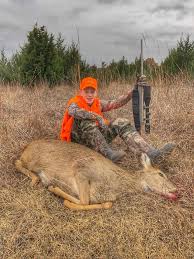
Success in big game hunting doesn’t start in the field—it begins weeks before the season opens. Using a structured big game hunting planning timeline ensures hunters are prepared physically, mentally, and logistically.
This timeline integrates gear, firearms, ammunition, reloading powders, and accessories into a comprehensive plan, helping hunters maximize efficiency, safety, and effectiveness during the hunt.
Why Advance Planning is Essential
Advanced planning offers multiple advantages:
- Reduces risk of accidents
- Ensures compliance with state hunting laws
- Organizes firearms, ammunition, and reloading powders
- Prevents forgotten gear or accessories
- Optimizes physical and mental preparedness
Serious hunters follow a big game hunting planning timeline to ensure a successful season.
6–8 Weeks Before the Hunt
Finalize Licenses and Permits
- Confirm hunting license and tags
- Research state-specific regulations
- Check firearm and ammunition transport requirements
Gear and Firearm Inventory
- Inspect firearms and accessories (scopes, magazines, cleaning kits)
- Check ammunition supplies and reloading powders
- Replace worn or expired gear
Physical Conditioning
- Cardiovascular exercises
- Strength training for carrying firearms and hunting packs
- Stamina-building for extended treks
4–5 Weeks Before the Hunt
Planning the Hunting Route
- Map out terrain and hunting zones
- Identify safe shooting areas
- Account for nearby water sources and shelter
Testing Firearms and Ammunition
- Practice with all firearms, magazines, and ammunition
- Test different reloading powders for consistent accuracy
- Inspect scopes and sighting accessories for proper alignment
Gear Organization
- Separate essentials into categories: safety, navigation, firearms, ammunition, and accessories
- Begin using a hunting gear organization checklist
2–3 Weeks Before the Hunt
Pre-Pack Firearms and Ammunition
- Ensure ammunition and reloading powders are stored safely
- Double-check firearm functionality
- Pack accessories like bipods, optics, and cleaning kits
Mental Preparation
- Study animal behavior and seasonal patterns
- Visualize hunting strategies
- Review safety protocols
Ethical and Environmental Planning
- Confirm hunting zones are legal and ethical
- Plan to minimize impact on wildlife and habitat
1 Week Before the Hunt
Full Equipment Test
- Pack firearms, ammunition, reloading powders, and accessories as if leaving
- Conduct a final range session to confirm accuracy
- Inspect survival gear, GPS, and emergency kits
Food and Hydration Planning
- Prepare multi-day rations
- Ensure water purification systems are functional
- Store energy-dense snacks in accessible compartments
Communication and Safety Coordination
- Inform family or group members of hunting schedule
- Test radios, emergency beacons, and mobile devices
3 Days Before the Hunt
Final Pack Check
- Confirm firearms, ammunition, reloading powders, and accessories are ready
- Check clothing, boots, and weather-appropriate layers
- Review hunting gear organization checklist
Vehicle and Transportation Prep
- Ensure vehicles are serviced
- Pack additional fuel, tools, and backup navigation
- Verify hunting gear storage for transport
Mental Focus
- Reduce stress
- Maintain proper sleep
- Review hunting safety guidelines USA
Day Before Departure
Load and Secure Gear
- Safely store firearms, ammunition, and reloading powders for transport
- Double-check accessories (scopes, bipods, magazines, cleaning kits)
- Organize pack for easy field access
H3: Hydration and Nutrition
- Consume balanced meals
- Pack additional water for first day of the hunt
Emergency Plan Review
- Confirm evacuation routes
- Ensure communication devices work
- Review first-aid and survival procedures
Key Tips for Successful Multi-Week Planning
- Prioritize Safety: Firearm handling, ammunition storage, and reloading powders
- Organize Gear: Maintain a hunting gear organization checklist for all essentials
- Test Everything: Firearms, scopes, optics, and magazines
- Physical & Mental Prep: Endurance, patience, and focus
- Legal Compliance: Licenses, tags, and state regulations
- Backup Systems: Extra ammunition, reloading powders, and accessories
Common Mistakes to Avoid
- Waiting until the last minute to inspect firearms or test ammunition
- Overlooking reloading powder supplies or accessories
- Poorly organized packs causing inefficiency
- Neglecting mental preparation and planning
- Ignoring weather or environmental hazards
Integrating Ammunition and Reloading Powders
For hunters who reload their own ammo:
- Verify powder quality and type for consistency
- Label all rounds clearly
- Practice with each type before the hunt
- Store reloading powders safely away from moisture and heat
This ensures reliability and peak firearm performance in the field.
Using Accessories to Maximize Efficiency
Key accessories include:
- Optics (scopes, binoculars)
- Bipods and shooting supports
- Cleaning kits for firearms
- Ammunition carriers and organizers
Proper use of accessories reduces stress and improves accuracy, making the hunt safer and more productive.
Summary
A structured big game hunting planning timeline allows hunters to:
- Organize firearms, ammunition, and accessories efficiently
- Prepare physically and mentally for extended hunts
- Ensure safety and legal compliance
- Avoid common mistakes
- Maximize hunting success and ethical practice
Conclusion
Planning a big game hunt in the United States is complex but manageable with a detailed timeline. By following this guide, hunters can ensure:
- Firearms, ammunition, and reloading powders are prepared
- Accessories are organized and functional
- Safety and ethical practices are fully implemented
Preparation is the foundation of every successful hunt. Using a big game hunting planning timeline transforms pre-season stress into field confidence, efficiency, and enjoyment.


