


How to Pack and Organize Gear for Multi-Day Hunting Trips

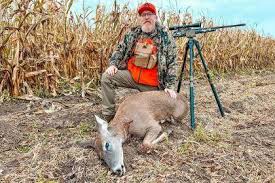
A well-organized hunting trip begins long before setting foot in the field. Understanding the hunting gear organization checklist ensures that serious hunters can focus on the hunt itself, rather than worrying about missing or malfunctioning equipment.
Multi-day hunting trips introduce additional challenges:
- Extended exposure to varying terrain and weather
- Managing both essential and backup equipment
- Maintaining comfort, safety, and efficiency
This guide is designed to show hunters how to pack and organize gear for multi-day hunting trips, following U.S. hunting best practices, safety standards, and field efficiency.
Why Gear Organization Matters
Proper organization provides multiple benefits:
- Safety: prevents accidents caused by mismanaged tools
- Efficiency: allows easy access to critical equipment
- Comfort: reduces strain from poorly packed loads
- Preparation: ensures compliance with hunting laws and ethical standards
Experienced hunters understand that multi-day hunting success depends heavily on preparation. A structured hunting gear organization checklist is essential.
Planning Your Packing System
Before packing, hunters should outline:
- Trip duration
- Terrain and climate conditions
- Type of game being hunted
- Team size and responsibilities
A thorough plan dictates what gear to bring, how to store it, and what redundancy is required.
Categorizing Your Gear
Serious hunters divide equipment into categories:
- Safety and survival: first-aid kits, emergency signaling, navigation tools
- Clothing and comfort: layered apparel, moisture management, insulation
- Field equipment: optics, binoculars, range finders
- Hunting tools: appropriate gear and legal accessories
- Food and hydration: long-term storage, energy-dense options
- Maintenance and repair tools: multi-tools, cleaning kits, spare parts
Organizing by category ensures quick access and reduces the chance of forgetting essentials.
Choosing the Right Storage Solutions
H3: Backpacks and Packs
Select packs that are:
- Durable and weather-resistant
- Modular for different gear categories
- Comfortable for extended hikes
For multi-day hunting, pack systems should distribute weight efficiently to avoid fatigue.
Protective Cases
Sensitive equipment such as optics, navigation tools, and electronics require protective cases:
- Waterproof
- Shock-absorbing
- Compact
This preserves equipment functionality in harsh outdoor conditions.
Packing Tips for Efficiency
Layering Items by Priority
Use a top-to-bottom priority system:
- Most frequently used items on top
- Heavy, less-used items at the bottom
- Fragile or sensitive gear in protective compartments
Weight Distribution
- Balance weight across shoulders and hips
- Keep heavy items close to your center of gravity
- Avoid overloading to reduce fatigue
Following the hunting gear organization checklist ensures field mobility and comfort.
Checklist for Multi-Day Hunting Trips
A professional serious hunter checklist includes:
Safety Essentials
- First-aid kit
- Emergency beacon or whistle
- Fire-starting tools
- Map/GPS/compass
Field Gear
- Binoculars
- Range finder
- Camera or spotting tools
- Multi-tools and maintenance kits
H3: Clothing and Apparel
- Moisture-wicking base layers
- Insulating mid-layers
- Weatherproof outer layers
- Boots and gaiters
Food and Hydration
- Packable, high-energy meals
- Water purification tools
- Reusable water containers
Sleeping and Shelter Gear
- Compact tent or bivy sack
- Sleeping bag appropriate for temperature
- Ground mat for insulation
This structured checklist ensures no critical gear is forgotten and optimizes efficiency in the field.
Preparing Gear for Quick Access
Sorting by Frequency of Use
- Items needed often: top layers of pack
- Emergency items: accessible compartments
- Rarely used tools: bottom or external pockets
Labeling and Identification
Label gear compartments for:
- Safety tools
- Navigation
- Maintenance
- Food
- Clothing
Clear labeling reduces time searching for gear and avoids mistakes during critical moments.
Maintaining Gear Organization During the Trip
Daily Reorganization
- After each day, repack gear for next day
- Dry out wet clothing and store separately
- Check battery-powered accessories
Clean and Repair
- Inspect gear for damage
- Perform field repairs as necessary
- Rotate consumables to prevent spoilage
Maintaining organization ensures efficiency and safety throughout the hunt.
Avoiding Common Packing Mistakes
- Overpacking unnecessary items
- Failing to protect sensitive equipment
- Ignoring environmental challenges
- Not balancing weight
- Forgetting redundancies for critical gear
Adhering to the hunting gear organization checklist prevents these errors.
Special Considerations for Big Game Hunts
- Longer duration trips may require heavier gear
- Backup equipment for optics and navigation is essential
- Emergency communication devices are mandatory in remote locations
Multi-day big game hunts require discipline in packing, planning, and organization for both safety and success.
Technology and Modern Accessories
Modern hunters use:
- GPS devices
- Electronic range finders
- Communication radios
- Portable power banks
Technology enhances multi-day trip efficiency when integrated properly into your hunting gear organization checklist.
Ethical and Legal Considerations While Packing
- Ensure all gear complies with state hunting laws
- Avoid prohibited accessories
- Maintain responsible storage for firearms and legal tools
Packing ethically supports sustainable outdoor sports and demonstrates respect for wildlife and fellow hunters.
Summary
A proper hunting gear organization checklist guarantees:
- Safety and compliance with laws
- Efficiency in the field
- Comfort and mobility
- Ethical and responsible hunting behavior
Professional hunters understand that packing and organizing gear properly is as important as hunting skill. Multi-day trips demand discipline, planning, and foresight, making this checklist essential for serious outdoor sports enthusiasts.
Conclusion
Multi-day hunting trips are challenging but rewarding. Using a hunting gear organization checklist allows hunters to:
- Stay safe
- Maintain comfort and efficiency
- Access gear quickly
- Respect laws and ethical guidelines
Preparation, organization, and disciplined packing are the cornerstones of a successful and enjoyable hunting experience in the United States.


