


Hunting Safety Guidelines for Outdoor Sports in the USA

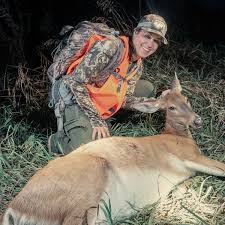
For serious outdoor sports enthusiasts, hunting safety guidelines USA are not optional—they are essential. Hunting is an exhilarating outdoor activity, but without proper safety knowledge, the risks increase for both the hunter and others.
Safety in hunting is multifaceted: it encompasses preparation, legal compliance, equipment readiness, and environmental awareness. Understanding hunting safety guidelines USA ensures that hunters enjoy responsible, ethical, and sustainable outdoor sports while minimizing accidents and risk.
This comprehensive guide provides a step-by-step approach to hunter preparedness, focusing on practical applications that every serious hunter should follow.
Why Hunting Safety is Critical
Hunting accidents, though relatively rare, can have severe consequences. According to U.S. wildlife safety data, a significant percentage of hunting injuries could have been prevented through preparation and adherence to hunting safety guidelines USA.
The importance of safety extends beyond the individual hunter:
- Protects fellow hunters
- Ensures compliance with local and state regulations
- Preserves public trust in outdoor sports
- Supports ethical hunting practices
Responsible hunting practices include planning, risk management, and awareness, making safety the backbone of successful hunting experiences.
Understanding Hunting Laws and Regulations
H3: Federal and State Compliance
Hunting laws in the United States vary by state and species. Serious hunters understand the need to consult:
- State wildlife agencies
- Federal hunting regulations
- Local ordinances affecting public and private land access
Adhering to hunting laws and safety regulations is a fundamental part of hunting safety guidelines USA.
Licensing and Permits
Before any hunting trip, hunters must secure the proper licenses, tags, and permits. These legal requirements ensure:
- Wildlife conservation
- Sustainable harvests
- Accountability for each hunter
Preparation is part of hunter preparedness—without proper legal documentation, you are not following safe hunting practices.
Pre-Hunt Preparation for Safety
Physical and Mental Readiness
A serious hunter’s safety starts with their own condition:
- Physical conditioning for long hikes, rough terrain, and endurance
- Mental readiness for patience, ethical decision-making, and stress management
Understanding hunting safety guidelines USA includes anticipating personal limits to prevent accidents and overexertion.
Equipment Checklists
Equipment preparation is essential. A complete hunting safety checklist should include:
- Protective clothing and high-visibility items
- Navigation tools (maps, GPS, compass)
- First-aid kit and emergency signaling devices
- Properly maintained hunting gear and accessories
Proper equipment reduces risk and supports efficient, ethical hunting practices.
Safety in the Field
Situational Awareness
While hunting, maintaining awareness prevents accidents:
- Identify all targets clearly before any action
- Monitor fellow hunters’ positions
- Observe terrain and wildlife movement
Hunting safety guidelines USA emphasize vigilance as a cornerstone of responsible hunting.
Handling Equipment Safely
Handling firearms and hunting tools safely includes:
- Always pointing the firearm in a safe direction
- Treating every firearm as if it’s loaded
- Maintaining finger discipline on triggers
- Storing equipment safely when not in use
These precautions form the foundation of hunting safety tips.
Hunting Safety for Big Game Hunters
Big game hunting adds complexity and risk due to:
- Heavier equipment
- Longer exposure to harsh environments
- Extended hunting durations
Big game hunting USA participants must adhere strictly to safety guidelines, including:
- Tracking and monitoring wildlife carefully
- Planning escape routes for emergencies
- Carrying sufficient hydration and nutrition
Preparation ensures that hunters can enjoy ethical and responsible outdoor sports without unnecessary risk.
Environmental and Terrain Awareness
Understanding Local Habitats
Knowledge of the hunting environment contributes to both safety and success.
Hunting safety guidelines USA require hunters to:
- Study terrain maps
- Identify potential hazards (steep slopes, water bodies, thick underbrush)
- Recognize weather patterns
Environmental awareness reduces the likelihood of accidents and supports ethical hunting practices.
Weather and Seasonal Considerations
Hunters must prepare for unexpected weather changes:
- Cold fronts, heavy rain, or heat waves can be dangerous
- Carry weather-appropriate clothing and emergency shelter
- Monitor forecasts closely before heading into the field
These steps are integral to outdoor safety for hunters.
Safety While Hunting with Others
Group Communication
When hunting in groups:
- Maintain constant awareness of other hunters’ positions
- Use walkie-talkies or signaling devices for coordination
- Establish clear roles and zones
Group safety is a key component of ethical hunting guidelines.
Distance and Target Zones
Maintaining safe distances prevents accidental injuries:
- Never aim at unidentified targets
- Keep clear lines of sight
- Respect established shooting zones
Following these protocols is part of professional hunter preparedness.
Emergency Planning and First-Aid
Preparing for Accidents
Even with precautions, emergencies can occur:
- Carry first-aid kits and know basic treatment
- Plan evacuation routes
- Ensure mobile communication or emergency beacons
Injury Prevention
Proper preparation and adherence to hunting safety guidelines USA prevent many injuries:
- Avoid risky maneuvers in difficult terrain
- Handle sharp tools and firearms responsibly
- Hydrate and rest appropriately to maintain alertness
Ethical Hunting and Safety
Safety is intertwined with ethics:
- Protect wildlife by not disturbing non-target animals
- Respect other hunters’ rights and hunting zones
- Avoid actions that could harm the environment
Responsible hunters understand that ethical hunting guidelines are inseparable from hunting safety guidelines USA.
Summary of Key Hunting Safety Guidelines
- Pre-Hunt Preparation: physical conditioning, mental readiness, equipment checklists
- Legal Compliance: state laws, licenses, and permits
- Situational Awareness: identifying targets, monitoring terrain, observing others
- Equipment Handling: safe firearm use, accessory management
- Group Coordination: communication, safe distances
- Emergency Planning: first-aid, evacuation, weather preparedness
- Ethical Conduct: respect for wildlife, land, and other hunters
Following these steps ensures that outdoor sports enthusiasts stay safe while practicing responsible hunting in the United States.
Conclusion
Serious hunters know that hunting safety guidelines USA are the foundation of responsible outdoor sports. Safety, preparation, awareness, legal compliance, and ethical conduct combine to create rewarding, sustainable hunting experiences.
By adhering to these principles, hunters not only protect themselves and others—they contribute to the longevity and respect of hunting culture across the United States.


