


How Hunters Prepare for Big Game Season in the USA

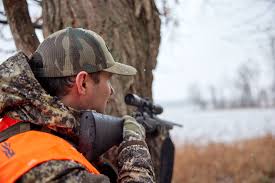
Understanding how hunters prepare for big game season separates casual participants from serious outdoor sports enthusiasts. Big game hunting in the United States demands planning, discipline, and responsibility long before the season officially begins.
Experienced hunters know that success is rarely determined in the field—it is decided during preparation. From physical conditioning to legal research and equipment organization, preparation defines both safety and effectiveness.
This guide explains how hunters prepare for big game season in the USA, following the methods used by experienced and responsible outdoor sportsmen.
Why Preparation Matters in Big Game Hunting
Big game hunting presents unique challenges:
- extended time outdoors
- demanding terrain
- unpredictable weather
- physical and mental stress
- legal complexity
Big game hunting preparation reduces:
- risk of injury
- legal violations
- equipment failure
- poor decision-making
Hunters who prepare properly enjoy safer, more controlled, and more ethical outdoor experiences.
Long-Term Planning Before the Season Begins
Serious hunters begin preparation months in advance.
Researching the Hunt Environment
Preparing for hunting season in the USA starts with understanding:
- terrain type
- elevation
- vegetation density
- climate patterns
- wildlife behavior
Big game hunting planning requires studying maps, land access rules, and seasonal conditions.
Understanding Legal Requirements
Hunters must review:
- state hunting regulations
- season dates
- tag and license requirements
- land-use restrictions
Legal awareness is a foundational part of how hunters prepare for big game season responsibly.
Physical Conditioning for Big Game Hunting
Big game hunting often involves:
- long hikes
- uneven terrain
- carrying equipment
- altitude exposure
Building Endurance
Experienced hunters focus on:
- cardiovascular conditioning
- leg strength
- core stability
Physical readiness supports:
- injury prevention
- stamina
- mental clarity under stress
Mental Readiness
Mental preparation helps hunters:
- remain patient
- manage fatigue
- make ethical decisions
- respond calmly to unexpected situations
Serious hunter preparation always includes both physical and mental conditioning.
Equipment Organization and Readiness
One of the most overlooked aspects of big game hunting readiness is organization.
Equipment Systems, Not Loose Items
Experienced hunters organize gear into systems:
- transport
- storage
- safety
- navigation
- maintenance
Hunting equipment organization prevents last-minute errors and improves field efficiency.
Inspection and Familiarity
Preparation includes:
- checking functionality
- ensuring proper fit
- confirming compliance with regulations
- practicing with equipment beforehand
Prepared hunters avoid surprises during critical moments.
Safety Preparation for Big Game Hunting
Hunting safety preparation is non-negotiable.
Environmental Awareness
Hunters must prepare for:
- sudden weather changes
- wildlife encounters
- navigation challenges
- isolation risks
Emergency Planning
Responsible hunters plan for:
- communication methods
- emergency response
- first-aid readiness
- contingency routes
Safety preparation reflects professionalism and respect for the environment.
Planning the Hunting Trip Timeline
Big game hunting planning follows a structured timeline.
Months Before the Season
- research regulations
- secure licenses and permits
- begin conditioning
- study terrain
Weeks Before the Season
- organize equipment
- test gear
- confirm logistics
- review safety plans
Final Days Before Departure
- double-check documentation
- finalize packing
- review weather forecasts
- confirm communication plans
This structured approach defines how hunters prepare for big game season effectively.
Ethical Considerations During Preparation
Ethical hunters prepare with respect:
- for wildlife
- for land access
- for other outdoor participants
Ethical preparation includes:
- compliance with laws
- realistic self-assessment
- environmental responsibility
Big game hunting responsibility begins before the hunt itself.
Common Preparation Mistakes Hunters Avoid
Experienced hunters avoid:
- rushing preparation
- ignoring legal updates
- overpacking or underpacking
- neglecting physical readiness
- relying on untested equipment
Preparation errors are preventable with discipline and planning.
Why Preparation Defines the Hunting Experience
The quality of preparation directly affects:
- safety outcomes
- decision-making
- ethical conduct
- overall success
Understanding how hunters prepare for big game season reveals why experienced hunters operate with confidence and control.
Preparation as a Mark of Serious Hunters
Serious hunter preparation reflects:
- discipline
- responsibility
- respect for the sport
- commitment to safety
Preparation distinguishes professionals from amateurs in outdoor sports.
Conclusion
Big game hunting in the United States rewards those who prepare thoroughly. Planning, conditioning, equipment organization, legal awareness, and safety readiness form the foundation of responsible hunting.
Knowing how hunters prepare for big game season ensures safer experiences, ethical participation, and long-term sustainability of outdoor sports.
Preparation is not optional—it is the standard.
click here to check out quality hunting gears


