


Gun Culture in America: A Cultural Phenomenon, Not Just a Political Topic

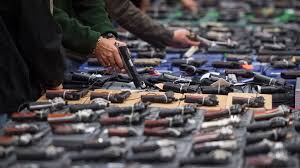
Few topics provoke stronger opinions than firearms, yet very few people take the time to understand the deeper roots of gun culture in America. Discussions are often reduced to politics, conflict, or emotional reactions. In reality, firearm culture in the United States is shaped by centuries of history, regional identity, economics, frontier survival, media influence, and evolving social values.
Understanding this cultural foundation allows for more intelligent conversations, stronger education, and greater credibility when discussing firearms in any context.
This article explores how culture formed, how perceptions evolved, and why context matters more than opinion.
The Historical Roots of American Firearm Culture
To understand gun culture in America, we must begin with history rather than ideology.
Firearms were not originally symbols of power or political identity. They were tools of survival. Early settlers depended on firearms for:
- Hunting food
- Protecting livestock
- Defending remote homesteads
- Community defense in isolated territories
Over time, firearms became associated with independence, self-reliance, and frontier resilience. These values became woven into the national identity long before modern political divisions emerged.
This historical foundation explains why firearms are often viewed culturally rather than purely functionally.
Regional Differences in Cultural Attitudes
One of the most misunderstood aspects of gun culture in America is that it is not uniform. Cultural attitudes toward firearms vary significantly by region.
For example:
- Rural communities often view firearms as normal tools
- Urban communities may associate firearms with crime
- Southern traditions often emphasize heritage and sport
- Western states emphasize independence and outdoor culture
- Coastal cities often view firearms through political lenses
These regional differences are cultural, not intellectual. Understanding this helps explain why national conversations about firearms often feel disconnected and emotionally charged.
The Role of Media in Shaping Public Perception
Modern perception of firearms has been heavily influenced by media representation. Movies, television, news coverage, and social media often distort reality through selective framing.
Media influences include:
- Overrepresentation of violent incidents
- Sensational headlines
- Lack of educational context
- Emotional framing over factual explanation
- Algorithm-driven outrage cycles
As a result, public understanding of gun culture in America is often shaped more by narrative than by reality.
Educational content helps balance this distortion.
Firearms as Cultural Symbols
Beyond function, firearms have become symbols of broader identity concepts:
- Independence
- Personal responsibility
- Heritage
- Distrust of authority
- Community protection
- Sporting tradition
Whether one agrees or disagrees with these associations, they exist culturally. Ignoring this dimension weakens any serious analysis of firearm-related discussions.
This symbolic dimension is why gun culture in America persists across generations.
Sports, Hobbies, and Recreational Communities
Not all firearm culture is political. A large portion is recreational and community-driven.
Examples include:
- Competitive shooting leagues
- Hunting communities
- Firearm collecting
- Historical reenactment
- Mechanical appreciation communities
These subcultures contribute to the diversity within gun culture in America and demonstrate that ownership is not monolithic in purpose or motivation.
Conclusion
Firearms are not merely objects. They are deeply embedded cultural artifacts shaped by history, geography, media, and identity. Understanding gun culture in America requires curiosity, balance, and intellectual honesty.
Educational platforms that approach this topic thoughtfully contribute far more value than platforms driven by emotion or ideology.


