


Firearm Education Hub: Safety, Responsibility & Foundational Knowledge

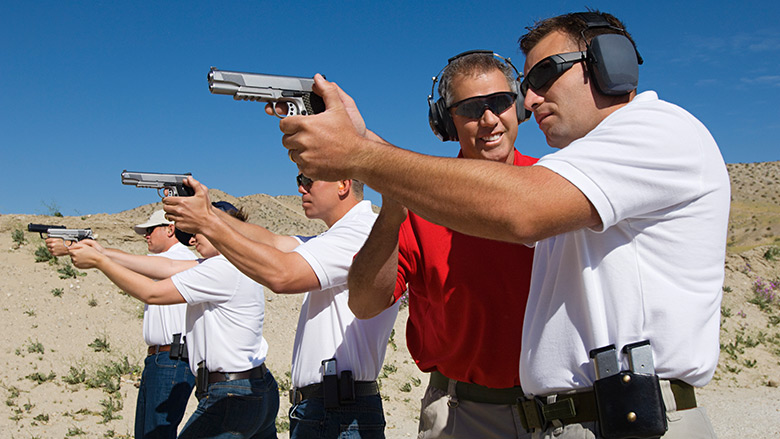
Firearms are powerful tools that demand discipline, knowledge, and responsibility. Whether someone is studying firearm topics for general knowledge, sport shooting awareness, safety education, or legal understanding, learning the fundamentals is essential.
This educational hub exists to provide accurate, responsible, and structured information about firearm topics. It helps readers develop awareness, reduce misinformation, and understand the importance of safety and discipline.
This guide covers:
- Firearm safety fundamentals
- Responsible handling principles
- Legal and ethical awareness
- Storage best practices
- Maintenance knowledge
- Training and discipline
Firearm Safety Fundamentals
Safety is the foundation of all firearm knowledge. Every reputable instructor, range, and safety organization emphasizes the same universal principles.
The Four Universal Firearm Safety Rules
- Always treat every firearm as if it is loaded
- Never point a firearm at anything you do not intend to shoot
- Keep your finger off the trigger until you are ready
- Always be aware of your target and what lies beyond it
These rules are designed to prevent accidents and create disciplined handling habits.
Firearm Basics: Understanding the Categories
Understanding basic firearm categories improves awareness and helps readers interpret information responsibly.
Handguns
Compact firearms designed for one-handed use. Commonly discussed in contexts such as sport shooting, self-defense education, and training.
Rifles
Long firearms designed for greater accuracy over longer distances. Frequently referenced in hunting education and sport shooting.
Shotguns
Firearms commonly used in sport shooting disciplines and hunting contexts, known for firing multiple projectiles.
Understanding Ammunition Basics
Ammunition knowledge is essential to firearm education. People often study ammunition types to understand:
- Caliber differences
- Purpose of different rounds
- How ammunition affects accuracy
- Safety considerations
Important educational concepts include:
- Caliber compatibility
- Target vs. training ammunition
- Safe handling of ammunition
- Proper storage of ammunition
Legal and Ethical Responsibility
Firearm education is incomplete without understanding responsibility. Laws vary globally and regionally, but common legal principles often involve:
- Licensing requirements
- Age restrictions
- Storage responsibilities
- Transportation guidelines
- Accountability for misuse
Ethical responsibility includes:
- Respect for human life
- Commitment to safety
- Continuous education
- Avoiding reckless behavior
Safe Firearm Storage Practices
Safe storage is one of the most important topics in firearm education. Proper storage reduces accidents and unauthorized access.
Educational best practices include:
- Use of locked storage devices
- Storing firearms unloaded when not in use
- Separating firearms and ammunition
- Limiting access to authorized individuals
- Educating household members
Safe storage is beneficial knowledge even for people who do not own firearms but want to understand safety.
Maintenance and Long-Term Care Knowledge
Maintenance education focuses on:
- Why cleaning matters
- Preventing corrosion
- Protecting against humidity
- Ensuring safe mechanical function
- Extending equipment lifespan
Educational topics often include:
- Cleaning frequency principles
- Safe handling during maintenance
- Storage environment awareness
Training, Discipline, and Continuous Learning
Responsible firearm knowledge emphasizes lifelong learning. Training topics often include:
- Range etiquette
- Mental discipline
- Conflict de-escalation
- Safety refreshers
- Supervised education programs
Education promotes maturity, responsibility, and safety-focused thinking.
Why Educational Firearm Content Matters
High-quality educational content benefits everyone by:
- Reducing misinformation
- Promoting safety awareness
- Encouraging responsible thinking
- Supporting informed discussion
- Building public understanding
Websites that prioritize education, responsibility, and safety are more likely to build trust and long-term credibility.
Conclusion
Firearm education is about knowledge, discipline, and responsibility. Understanding safety rules, legal responsibility, storage practices, and foundational concepts helps create informed individuals and safer communities.
This education hub will continue expanding with deeper guides on safety, responsibility, terminology, and awareness.
Readers are encouraged to explore each topic thoughtfully and prioritize learning above all else.


